Blocked ears, muffled hearing, and ear discomfort are common problems caused by earwax buildup. While there are many ways to remove earwax, one method stands out as the safest and most effective: microsuction earwax removal.
In this expert guide, we’ll cover what microsuction is, how it works, its benefits, costs, risks, and why it’s often called the gold standard for earwax removal.
What Is Microsuction Earwax Removal?
How It Works Step by Step
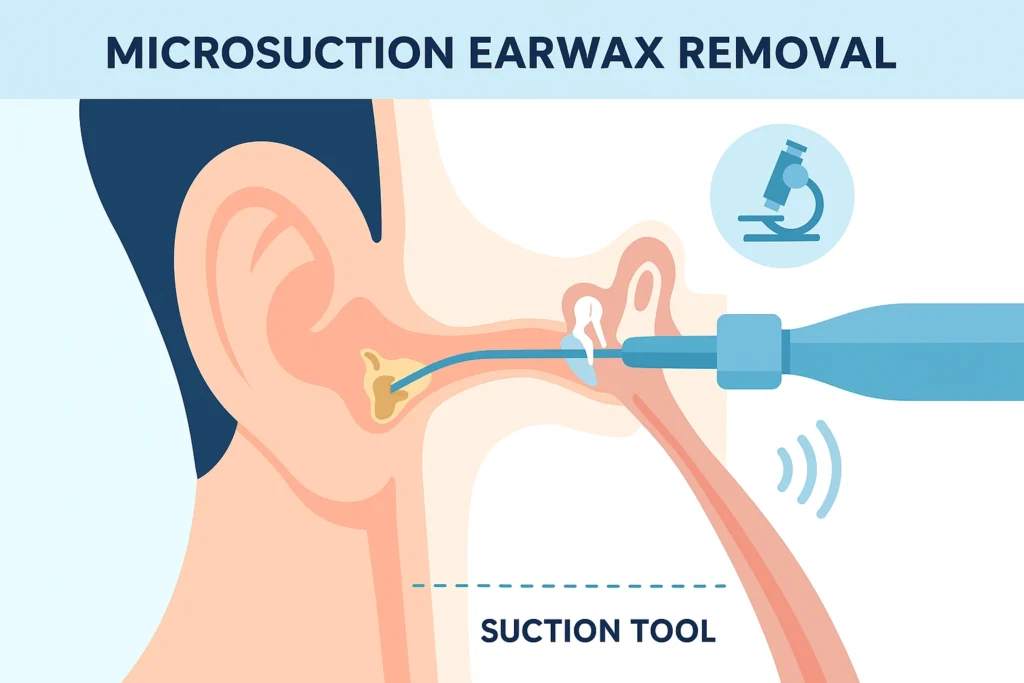
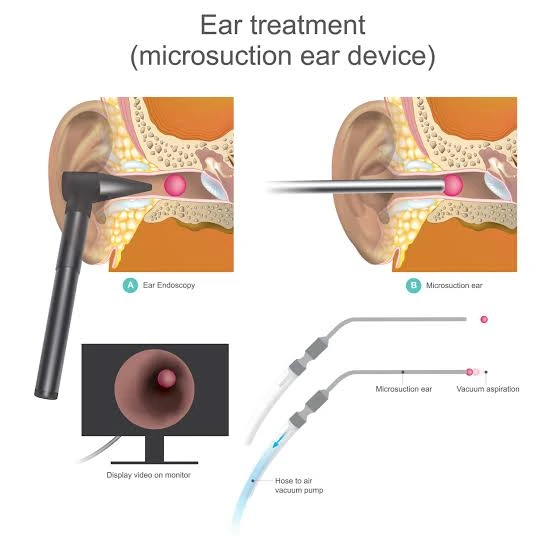
Microsuction uses a tiny suction device and a microscope or magnifying lens to safely remove earwax.
- The ear is first examined using an otoscope.
- A sterile suction tube gently removes wax.
- The process takes 10–20 minutes.
Equipment Used in Microsuction
Unlike cotton swabs or ear syringing, microsuction doesn’t push wax deeper. It targets only the wax, leaving the ear canal and eardrum unharmed.
No Water Involved
Irrigation uses water, which can sometimes cause infections. Microsuction is a dry procedure, making it safer for patients with ear conditions.
Immediate Hearing Improvement
Most patients notice instant clarity in hearing as the blockage is removed during the session.

Frequent Earwax Buildup Sufferers
Who Should Consider Microsuction Earwax Removal?
People who naturally produce more wax or have narrow ear canals.
Hearing Aid and Earbud Users
Devices can trap earwax, requiring more frequent removal.
Children, Seniors, and Sensitive Patients
Microsuction is gentle, making it suitable for all ages.
How the Procedure Is Performed
Initial Ear Examination
The audiologist checks your ears with a microscope or camera.
The Suction Process Explained
A fine suction tube gently extracts the wax while being monitored closely.
Aftercare and Recovery
No downtime is required. Patients can resume normal activities immediately.
Is Microsuction Painful? Myths vs Reality
Microsuction is typically painless. Patients may hear some suction noises and feel mild sensations, but serious discomfort is rare.
Risks and Side Effects of Microsuction
Temporary Sensitivity
Mild discomfort, slight ringing, or sensitivity may occur but usually disappears quickly.
Rare Complications
Very rarely, minor irritation to the ear canal may occur. This is minimized with professional care.
Cost of Microsuction Earwax Removal
Typical Clinic Pricing
On average, clinics charge £40–£80 for one or both ears.
Home Visits vs In-Clinic
Home visits may cost more (e.g., £75+), but provide convenience for elderly or mobility-limited patients.
How Often Should You Get Microsuction?
Most people benefit from one session every 6–12 months, but those with frequent wax buildup may need more regular care.
DIY Earwax Removal vs Microsuction
Dangers of Cotton Swabs and Candles
Swabs push wax deeper, while ear candles are unsafe and ineffective.
Why Microsuction Is Safer Long-Term
Microsuction removes wax completely, safely, and with professional oversight.
How to Choose a Microsuction Clinic Near You
Qualifications and Certifications
Look for HCPC-registered audiologists or trained specialists.
Reviews and Testimonials
Check Google reviews for patient satisfaction and safety.
Transparent Pricing
Avoid clinics with hidden charges. Good clinics display costs clearly.
FAQs on Microsuction Earwax Removal
Q1. Is microsuction safe for everyone?
Yes, including children and seniors.
Q2. How long does it take?
Usually 15–20 minutes.
Q3. Is it better than irrigation?
Yes, it’s safer as no water is used.
Q4. Can I get microsuction on the NHS?
In many areas, earwax removal is private, but check locally.
Q5. How soon can I hear better?
Most patients experience immediate improvement.
Conclusion: Why Microsuction Is the Gold Standard
When it comes to earwax removal, microsuction is the safest, quickest, and most effective method. Unlike DIY attempts or outdated techniques, it provides immediate relief, minimal risk, and professional care.
If you’re struggling with blocked ears, searching for a microsuction earwax removal clinic near me is the smartest choice for your hearing health.