
If you’ve ever felt sharp pain, pressure, popping, or muffled hearing during takeoff or landing, you’re not alone. Ear pain during flying is extremely common — especially for people with earwax buildup, sinus congestion, allergies, or Eustachian tube issues.
At Better Ears, we frequently see patients who struggle with blocked ears on flights, sometimes even days after landing. The good news is that there are simple, safe, and professional solutions — once you understand what’s happening inside your ears.
What Happens Inside Your Ears When You Fly?
The Role of Air Pressure
Your middle ear must stay balanced with the air pressure around you. Normally, the Eustachian tube equalises this pressure automatically.
But on a plane…
During takeoff and landing, air pressure changes rapidly. If your Eustachian tube can’t react fast enough, you feel:
- Sharp ear pain
- Sudden “blocking” sensation
- Muffled hearing
- Loud popping
- Ringing or pressure
This condition is called airplane ear or ear barotrauma.
Common Reasons Ear Pain Happens on Flights
1. Blocked Eustachian Tube
Colds, sinus infections, allergies, and inflammation can stop your ear from equalising pressure properly.
2. Earwax Buildup
Impacted wax makes it harder for pressure to balance, often causing:
- Pain
- Blocked ears
- Muffled hearing
- Delayed popping after landing
Many patients at Better Ears experience dramatic relief after microsuction before flying.
3. Sinus Congestion
Blocked sinuses = blocked Eustachian tubes.
This creates pressure problems the moment air pressure drops.
4. Flying With a Cold or Infection
If your ears are already inflamed, flying can make symptoms far worse.
5. Rapid Pressure Changes
Cabin pressure shifts quickly during ascent and descent — faster than your ears can adjust.
Signs Your Airplane Ear Is More Serious
While most symptoms are temporary, some require attention:
- Pain lasting longer than 48 hours
- Persistent muffled hearing
- Dizziness or balance issues
- Ringing or buzzing in the ear
- Fluid or discharge
- Severe pressure that won’t release
These could indicate:
- Middle ear infection
- Inner ear irritation
- Wax impaction
- Eardrum injury
If symptoms persist, book a professional ear health check at Better Ears.
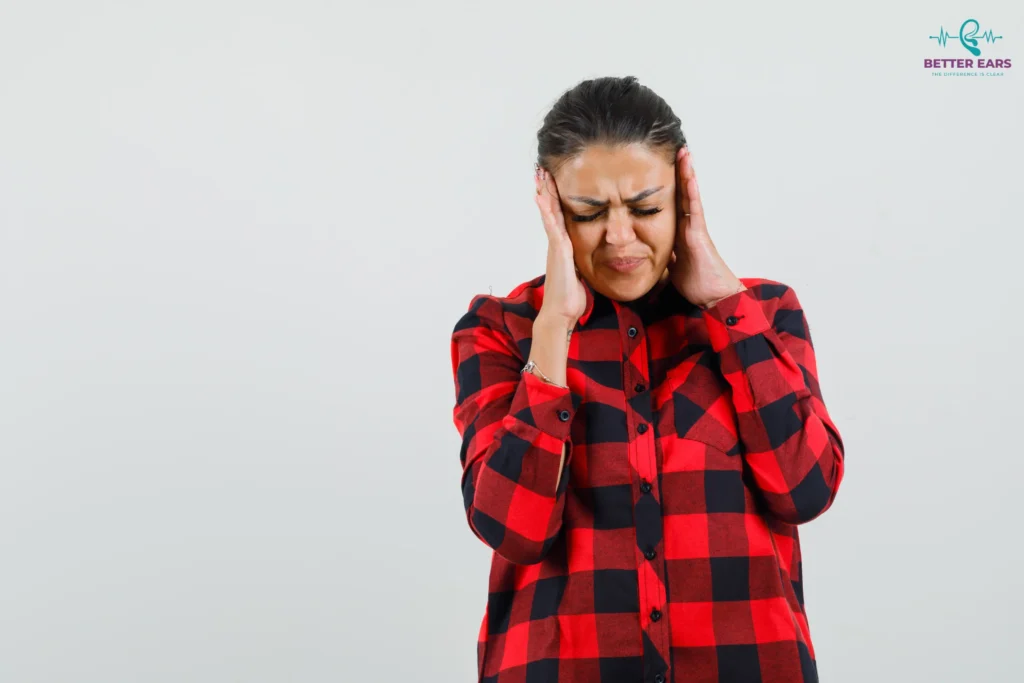
Safe Ways to Relieve Ear Pain When Flying
1. Yawn, Swallow, or Chew Gum
These actions open the Eustachian tube naturally.
2. Use the Valsalva Manoeuvre (Gently!)
Close your mouth, pinch your nose, and blow very gently.
(This should never hurt — if it does, stop.)
3. Stay Hydrated
Dry cabin air can worsen congestion.
4. Use a Saline Nasal Spray Before Takeoff
Helps unblock the nasal passages and improve airflow.
5. Take a Warm Drink
Swallowing helps balance pressure repeatedly.
What Not to Do on a Plane
To protect your hearing, avoid:
- Inserting cotton buds
- Using ear candles
- Rapid or forceful pressure techniques
- DIY tools of any kind
- Sleeping during takeoff or landing if you’re congested
These can cause injury, worsen blockage, or damage the eardrum.
Professional Treatments for Flying-Related Ear Problems
1. Microsuction for Earwax Removal
A safe, gentle, and effective way to remove wax before flying. This reduces pressure issues and prevents pain during altitude changes.
2. Eustachian Tube Assessment
Experts at Better Ears examine how well your Eustachian tubes open and close.
3. Ear Health Examination with Otoscopy
We check for:
- Wax
- Infections
- Fluid
- Inflammation
- Eardrum issues
4. After-Flight Care
If your ears stay blocked after flying, microsuction or a professional check often provides immediate relief.
Why Ear Pain Is Worse for Some People
You’re more likely to experience severe airplane ear if you have:
- Allergies
- Sinus issues
- Recent cold
- Earwax buildup
- History of ear infections
- Narrow Eustachian tubes
- Anxiety that leads to jaw clenching
Children also experience more pain because their Eustachian tubes are smaller.

Prevention Tips Before Your Next Flight
- Have your ears checked 1–2 weeks before traveling
- Consider professional microsuction if you experience wax issues
- Use filtered earplugs designed for flying
- Take antihistamines if you have allergies (as advised)
- Keep your nasal passages clear
- Avoid flying with a severe cold or respiratory infection if possible
Taking small steps now helps you avoid days of blocked ears after landing.
How Better Ears Can Help You Fly Comfortably
At Better Ears, we specialise in all conditions that affect ear pressure and flying comfort. We offer:
- Professional ear health checks
- Safe microsuction (no water, no pain)
- Eustachian tube assessment
- Treatment for blocked ears, infections, and pressure issues
- Preventive advice before flying
- Family-friendly care
📍 Four Hertfordshire Clinics
- Radlett – 347 Watling Street, WD7 7LB
- Harpenden – 1 High Street, AL5 2RS
- Hemel Hempstead – 161 London Road, HP3 9SQ
- Wheathampstead – 2 High Street, AL4 8AA
Home visits are also available.
FAQs About Ear Pain When Flying
Q1. Why do my ears not pop on planes?
Your Eustachian tube may be blocked from wax, congestion, or inflammation.
Q2. How long should ear pain last after a flight?
Most discomfort resolves within a few hours. If it lasts longer than 48 hours, seek help.
Q3. Can microsuction help with flying discomfort?
Yes — removing wax often prevents pain and pressure issues in the first place.
Q4. Is it safe to fly with an ear infection?
Not recommended. Pressure changes can cause severe pain or even eardrum injury.
Q5. Why do children cry during takeoff?
Their Eustachian tubes are smaller and struggle with fast pressure changes.
Conclusion: Fly Comfortably and Protect Your Ears
Ear pain when flying may be common, but it should never be ignored. Whether caused by wax buildup, sinus issues, or pressure imbalance, understanding the problem — and treating it early — makes flying far more comfortable.
At Better Ears, we help you travel with confidence and comfort through expert assessment, safe treatments, and personalised care.
Ready for pain-free flying?
Book your pre-flight ear check today.