A wet, damp, or moist feeling inside the ear can be uncomfortable and confusing. Some people describe it as a “dripping sensation,” while others feel as though there’s moisture trapped deep inside — yet no visible fluid is present.
At Better Ears, this is one of the most common concerns patients share:
“My ear feels wet, but nothing is coming out. Should I worry?”
The sensation may come from wax, mild irritation, sweat, or sometimes infection. Understanding the cause helps you decide whether the feeling is harmless or requires professional attention.
What Does a “Wet Ear Feeling” Actually Mean?
Sensation vs. real moisture
Sometimes the ear truly contains moisture — from sweat, water, or discharge.
But many people experience a wet sensation without actual fluid, caused by:
- Wax melting
- Skin irritation
- Inflammation
- Eustachian tube pressure
Why it happens inside the ear
The ear canal contains sensitive skin and glands. When these react to temperature, bacteria, wax, or inflammation, the nerves may interpret the feeling as moisture.
Common Causes of a Wet Ear Sensation
1. Earwax melting or shifting
Warm weather, exercise, or shower steam can soften earwax, causing:
- A wet sensation
- Mild crackling
- Tickling or movement
- Muffled hearing
Wax can also trap moisture, intensifying the wet feeling.
2. Sweating or humidity
The ear canal traps sweat easily, especially when wearing:
- Earbuds
- Hearing aids
- Headphones
- Helmets
Moisture may collect inside the canal, creating a damp feeling.
3. Ear infections (bacterial or fungal)
Infections often cause:
- Wet or sticky discharge
- Odour
- Itching
- Pain
- Redness
Fungal infections (otomycosis) are particularly associated with a wet or damp sensation.
4. Fluid behind the eardrum
Sometimes fluid builds up in the middle ear, not the ear canal.
This creates sensations of:
- Wetness
- Pressure
- Clicking
- Muffled sound
This is common after colds or sinus congestion.
5. Skin conditions like eczema or dermatitis
Dry, flaky, or irritated skin inside the ear can ooze slightly, creating a moist feeling even without infection.
Common triggers include:
- Stress
- Allergies
- Soaps or shampoos
- Scratching the ear canal
6. Hearing aids causing moisture buildup
Hearing aids can trap:
- Heat
- Sweat
- Natural oils
- Wax
This moisture can cause itchiness, irritation, or a wet feeling.
7. Allergies and sinus issues
Inflammation from allergies affects the nose, throat, and ears. The Eustachian tube may react by producing extra fluid or causing a damp sensation.

When the Wet Feeling Is a Warning Sign
Pain, swelling, or discharge
These symptoms often point to:
- Infection
- Canal inflammation
- Skin breakdown
Persistent moisture or odour
Ongoing moisture or unpleasant smell suggests bacterial or fungal infection.
Hearing changes or pressure
If wetness is accompanied by muffled sound, it may be:
- Wax
- Fluid in the middle ear
- Infection
- Pressure imbalance
These signs shouldn’t be ignored.
Risks of Ignoring a Wet Ear Sensation
1. Infection risk increases
Trapped moisture encourages bacteria and fungi to grow.
2. Skin irritation and damage
Constant moisture or scratching leads to redness and cracking.
3. Wax impaction and muffled hearing
Moisture softens wax, causing it to shift deep into the canal.
Safe Home Relief Options (Short-Term)
1. Gentle drying techniques
Use only external drying methods, such as:
- Patting the outer ear with a towel
- Letting the ear air-dry
- Tilting your head to release water
Never insert anything into the ear canal.
2. Warm compresses
A warm cloth held over the ear can ease:
- Pressure
- Fluid sensations
- Sinus-related wetness
3. Balance humidity and hydration
Dry environments cause irritation; overly humid ones trap moisture. Maintaining balanced humidity helps the ear settle.
4. When home remedies should be avoided
Do NOT attempt:
- Alcohol mixtures
- Vinegar
- Oils
- Ear candles
These can worsen irritation or cause burns.
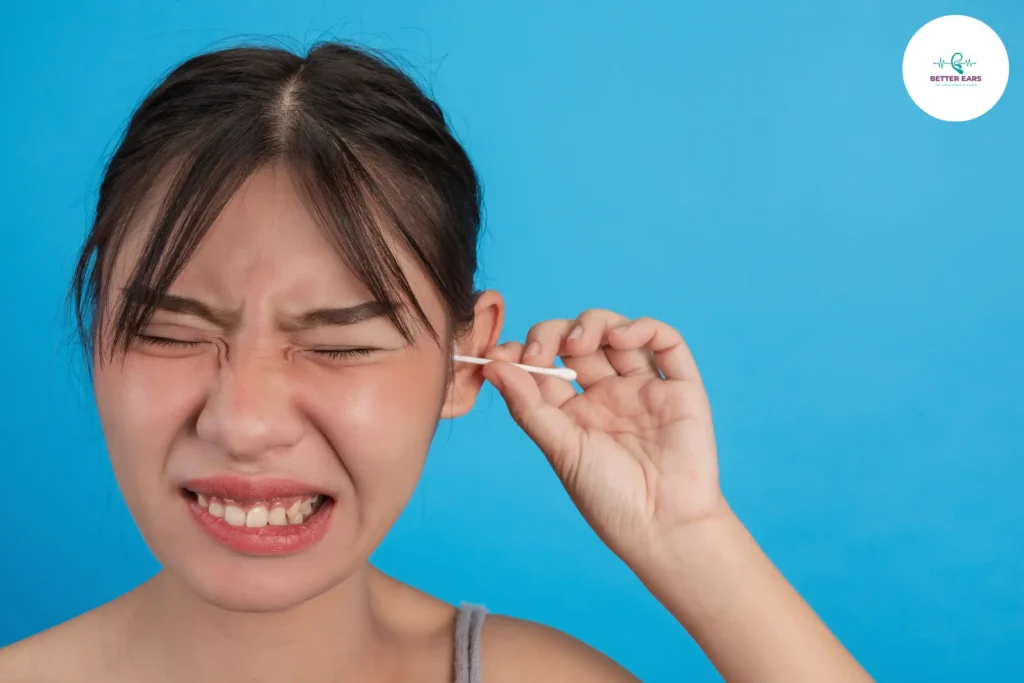
What Not to Do If Your Ear Feels Wet
1. Avoid cotton buds
They push wax deeper and irritate the skin.
2. Avoid inserting drying chemicals
They can damage delicate ear tissue.
3. Avoid scratching the ear canal
Scratching leads to infection and inflammation.
Professional Treatment Options at Better Ears
1. Ear examination and diagnosis
We examine the ear canal and eardrum to identify:
- Wax
- Infection
- Skin issues
- Fluid buildup
- Inflammation
2. Microsuction for wax and moisture
Microsuction gently removes:
- Wax
- Fungus
- Moisture
- Debris
This often resolves the wet sensation immediately.
3. Treatment for infections and skin conditions
If infection is present, we provide guidance or referral for:
- Antifungal drops
- Antibiotics
- Steroid creams
- Moisturising treatments
4. Referral for persistent middle ear fluid
If the cause is deeper, an ENT specialist may be needed.
Better Ears Clinic Locations
📍 Radlett – 347 Watling Street, WD7 7LB
📍 Harpenden – 1 High Street, AL5 2RS
📍 Hemel Hempstead – 161 London Road, HP3 9SQ
📍 Wheathampstead – 2 High Street, AL4 8AA
🏡 Home visits available
FAQs
Q1. Why does my ear feel wet in the morning?
It may be wax softening overnight or mild skin irritation.
Q2. Should I worry about a wet feeling with no discharge?
Not always, but persistent symptoms require a check.
Q3. Can sweat cause my ear to feel wet?
Yes — especially with earphones or hearing aids.
Q4. Does a wet ear mean infection?
Sometimes. Look for odour, pain, or visible moisture.
Q5. Can cleaning my ears stop the wet feeling?
If wax is the cause, microsuction often brings immediate relief.
Conclusion
A wet ear feeling can be annoying, confusing, and sometimes worrying. Whether caused by wax, moisture, infection, or irritation, understanding the source helps you choose the right solution.
At Better Ears, we provide safe and gentle assessments to identify what’s causing your symptoms and offer effective relief.
Book your ear health appointment today and enjoy clearer, more comfortable hearing.