Introduction: The Hidden Dangers of Ignoring Blocked Ears
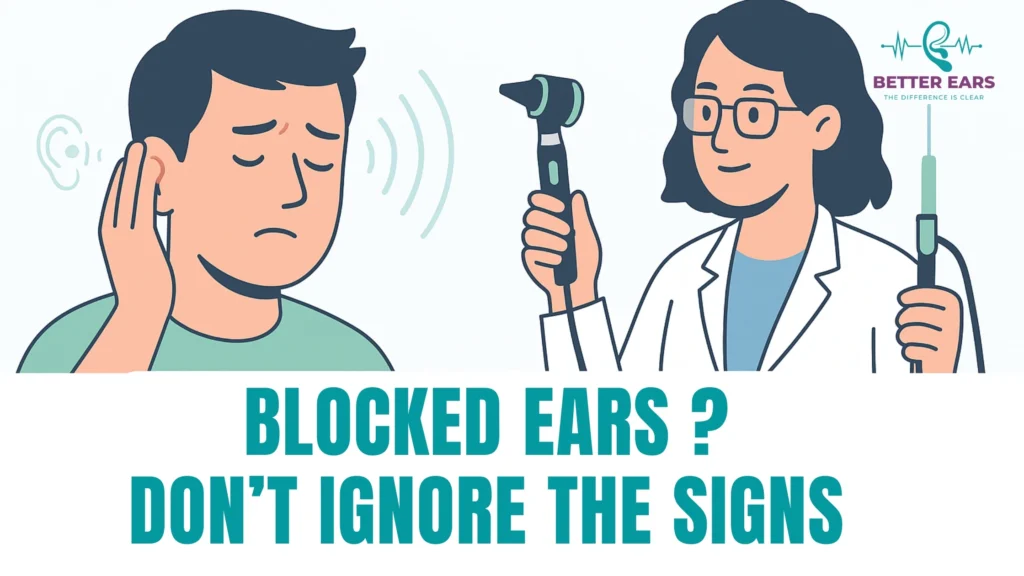
A blocked ear might seem like a minor inconvenience — but if left untreated, it can lead to infections, hearing loss, and even long-term ear damage. Whether it’s caused by earwax buildup, fluid, or infection, blocked ears are your body’s way of signaling something’s wrong.
At Better Ears, we see hundreds of patients every year who wait too long before seeking help. This guide explains the causes, symptoms, and safe treatments for blocked ears, and why ignoring them can do more harm than good.
What Does a Blocked Ear Feel Like?
Common Sensations and Discomfort
A blocked ear can feel like:
- A sense of fullness or pressure inside the ear
- Muffled hearing
- Crackling or popping sounds
- Temporary loss of balance
Temporary vs Persistent Blockages
Some blockages — such as pressure changes from flying — clear naturally. However, persistent blockages lasting more than a few days may indicate wax impaction, infection, or fluid buildup that requires professional treatment.
Common Causes of Blocked Ears
1. Earwax Buildup and Impaction
Earwax naturally protects the ear canal, but too much can cause a blockage. Cotton swabs or earbuds often push wax deeper, making the problem worse.
2. Ear Infections or Inflammation
Both middle and outer ear infections cause swelling, fluid, and blockage. You might notice pain, discharge, or even a mild fever.
3. Fluid Buildup or Eustachian Tube Dysfunction
If your ears feel “clogged” after a cold or allergy flare-up, it could be due to fluid trapped behind the eardrum.
4. Sinus Issues and Allergies
Sinus congestion can block the Eustachian tube, which connects the nose to the ear — causing fullness and pressure.
5. Sudden Changes in Air Pressure (Barotrauma)
Flying, diving, or driving through altitude changes can affect your inner ear’s pressure balance, leading to temporary blockage.
Symptoms That Should Never Be Ignored
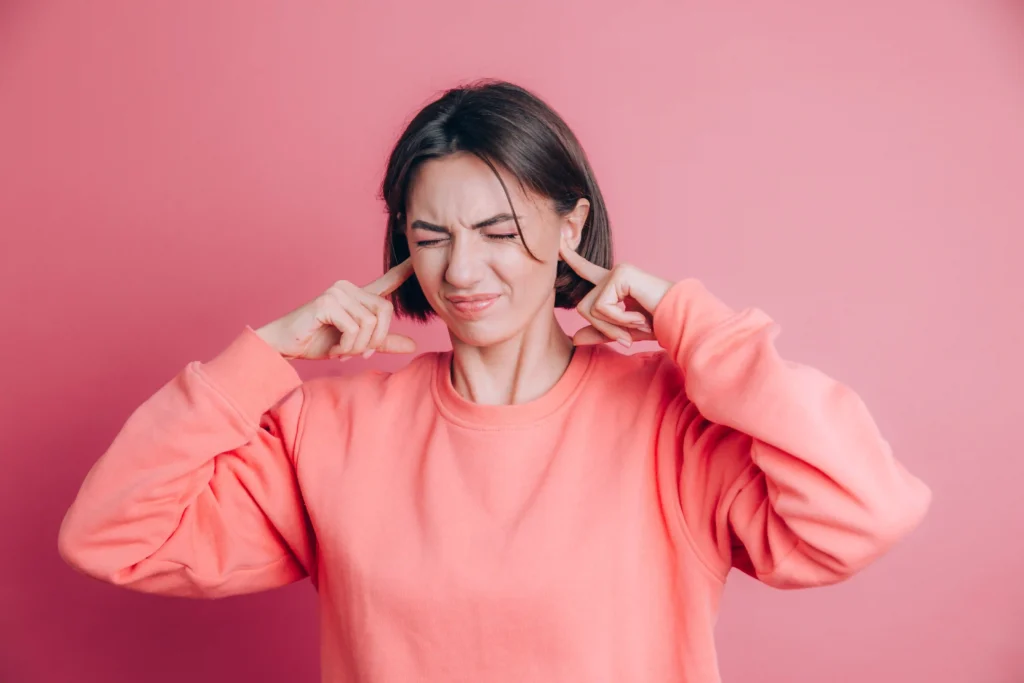
Muffled Hearing or Hearing Loss
If voices sound distant or unclear, your ear canal could be blocked with wax or fluid.
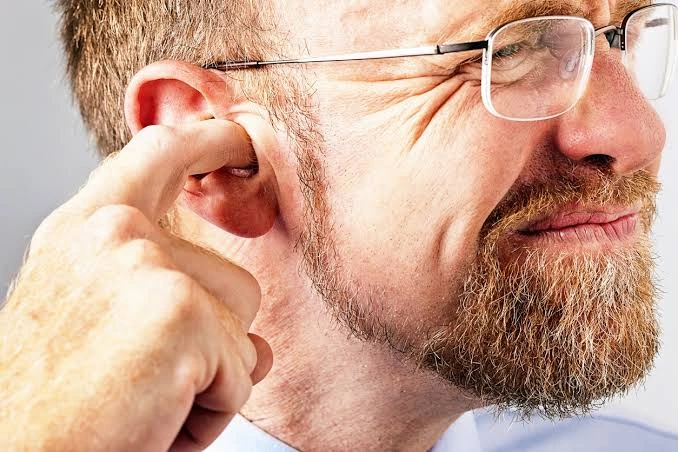
Ear Pain, Fullness, or Pressure
Constant pressure or aching is a clear sign of ear inflammation or wax impaction.
Tinnitus (Ringing in the Ears)
A ringing or buzzing sound often accompanies blockages caused by wax or fluid buildup.
Dizziness or Balance Problems
Because your ears help control balance, any blockage or infection can lead to dizziness or disorientation.
Why Ignoring Blocked Ears Can Be Dangerous
Risk of Infection or Eardrum Damage
Ignoring blockages allows bacteria to grow, which can cause painful infections or even a perforated eardrum.
Potential for Permanent Hearing Loss
Long-term blockage or untreated infections can cause nerve damage, leading to partial or complete hearing loss.
Impact on Balance and Focus
Chronic ear issues can affect your balance and concentration — especially in older adults.

Safe and Effective Treatments for Blocked Ears
Avoid DIY Methods and Ear Candles
Ear candles and home syringing are unsafe and ineffective. They can cause burns, push wax deeper, or damage your eardrum.
Professional Microsuction Earwax Removal
At Better Ears, we use microsuction — the safest and most precise method for removing earwax without water or pressure. It’s quick, comfortable, and ideal for sensitive ears.
Gentle Irrigation for Soft Wax
If you have soft wax buildup, our clinicians may recommend gentle warm water irrigation — done with sterile, medical-grade equipment.
Medical Treatment for Infections or Fluid Buildup
In cases of infection or persistent fluid, we’ll refer you for medical evaluation and targeted treatment.
When to See a Professional Audiologist
Signs That Require Immediate Attention
Book a professional ear exam if you experience:
- Persistent blockage for more than 48 hours
- Pain, discharge, or bleeding
- Dizziness or ringing in the ears
- Hearing loss in one or both ears
What to Expect During a Professional Ear Exam
At Better Ears, your audiologist will:
- Examine your ears with a microscope or camera
- Identify wax, fluid, or infection
- Recommend safe removal or medical treatment
How Better Ears Can Help
Expert Earwax Removal and Health Checks
Our team of HCPC-registered audiologists provides gentle and effective earwax removal using advanced microsuction or irrigation techniques.
Modern Equipment and Experienced Audiologists
We use high-quality microscopes and suction technology to ensure precision, comfort, and safety during every appointment.
Clinic Locations and Home Visit Options
Visit Better Ears clinics in:
- Radlett – 347 Watling Street, WD7 7LB
- Harpenden – 1 High Street, AL5 2RS
- Hemel Hempstead – 161 London Road, HP3 9SQ
- Wheathampstead – 2 High Street, AL4 8AA
Or book a home visit for added convenience.
FAQs About Blocked Ears and Safe Treatment
Q1. Can blocked ears clear on their own?
Sometimes, yes — but if symptoms persist for more than two days, seek professional help.
Q2. Is ear candling safe?
No, ear candling is dangerous and ineffective.
Q3. How do I prevent ear blockages?
Avoid inserting anything into your ears and schedule routine check-ups.
Q4. Does Better Ears remove earwax for children?
Yes, our clinicians provide gentle and safe treatments for patients of all ages.
Conclusion: Clear Ears, Clear Hearing — Don’t Delay Care
Blocked ears are easy to ignore but can lead to serious problems if untreated. The safest and most effective solution is professional earwax removal by trained audiologists.
At Better Ears, we specialize in microsuction and ear health checks to keep your hearing clear, safe, and healthy. Don’t wait for discomfort to worsen — book your appointment today and experience better hearing, better living.
Connect Now