A dull ache, a sudden sharp sting, or a deep pressure in your ear — it’s easy to brush it off and hope it goes away. But ear pain is never something to ignore. It’s your body’s way of signalling that something isn’t right, whether it’s a buildup of earwax, an infection, or pressure behind the eardrum.
At Better Ears, we see many adults who’ve lived with discomfort for weeks or months, assuming it’s “nothing serious.” The truth? Ignoring it can lead to infection, hearing loss, or long-term damage. Understanding what causes it — and acting early — makes all the difference.
Understanding Ear Pain: What’s Actually Happening Inside Your Ear
The Ear’s Anatomy and Why It’s So Sensitive
Your ear isn’t just one organ — it’s a delicate system of the outer ear, middle ear, and inner ear, all filled with tiny bones, nerves, and pressure-sensitive membranes. Even small issues like inflammation or blockage can cause significant discomfort.
How Pain Signals from the Ear Work
It occurs when nerves in or around the ear detect irritation or infection. Sometimes, pain even originates outside the ear, such as from your jaw, teeth, or throat, and radiates inward — known as referred pain.
Common Causes of Ear Pain in Adults
Ear Infections (Outer, Middle, and Inner Ear)
- Outer ear (otitis externa): Caused by moisture or bacteria — often after swimming.
- Middle ear (otitis media): Linked to colds, allergies, or sinus congestion trapping fluid.
- Inner ear (labyrinthitis): Affects balance and may cause dizziness or nausea.
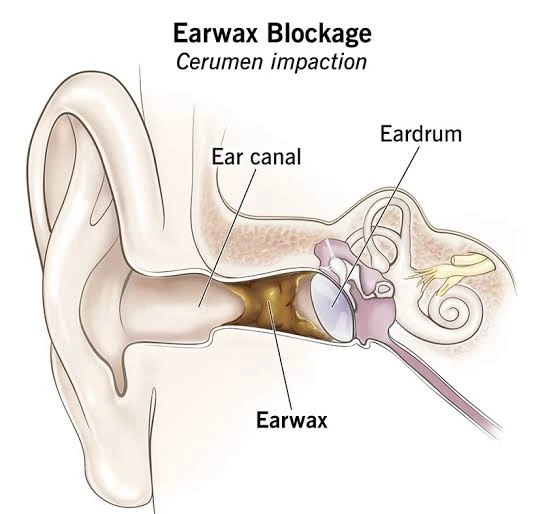
Earwax Buildup and Pressure
A hardened plug of earwax can press on the eardrum, causing pain, fullness, or muffled hearing. Professional microsuction safely removes it.
Sinus Congestion or Throat Infections
Your ears, nose, and throat are connected. When one area is inflamed, pressure can spread to the ears — especially during a cold or sinus infection.
Eustachian Tube Dysfunction
This small canal equalizes pressure in your middle ear. When it’s blocked (by allergies or infection), it causes popping, pain, and pressure buildup.
Jaw or Dental Pain Mistaken for Earache
Sometimes ear pain isn’t ear-related at all — it’s caused by jaw tension (TMJ) or a tooth infection radiating toward the ear.
Ear Infections in Adults: Causes, Symptoms, and When to See a Specialist
Warning Signs That Ear Pain Could Be Serious
Persistent or Worsening Pain
If discomfort lasts more than 48 hours or worsens over time, it’s time for a professional exam.
Fluid Discharge or Foul Smell from the Ear
This may indicate an infection or eardrum rupture, requiring medical attention.
Dizziness, Ringing, or Balance Problems
These symptoms can point to inner ear involvement, which affects both hearing and stability.
Fever or Swelling Around the Ear
Fever, warmth, or redness around the ear suggests infection spread and must not be ignored.

The Risks of Ignoring Ear Pain
Untreated Infections Spreading to Nearby Tissues
What starts as a mild infection can spread to the skull base or mastoid bone — a serious condition known as mastoiditis.
Temporary or Permanent Hearing Loss
Fluid or infection can damage the eardrum or delicate hair cells, leading to hearing loss.
Balance Disturbances and Tinnitus
Inner ear inflammation affects equilibrium, causing dizziness and ringing that may become chronic.
Chronic Inflammation or Eardrum Damage
Repeated irritation or untreated infections can scar the eardrum, reducing sound clarity.
Safe Ways to Relieve Ear Pain at Home (Short-Term Relief)
Warm Compresses and Hydration
Apply a warm compress over the ear for 10–15 minutes. It helps soothe discomfort and improve circulation.
Steam Inhalation for Sinus-Related Pain
Steam loosens mucus and relieves pressure in the sinuses and Eustachian tubes.
Over-the-Counter Pain Relief (When Appropriate)
Paracetamol or ibuprofen can temporarily reduce discomfort — but they don’t treat the cause. Always seek professional advice if pain persists.
What Not to Do When You Have Ear Pain
Avoid Cotton Buds, Ear Candles, and Home Tools
These can push wax deeper, burn the ear canal, or cause eardrum injury.
Why Self-Diagnosing Can Be Dangerous
Ear pain has many causes — and only an examination with an otoscope can reveal whether it’s wax, infection, or something more serious.
When to See a Specialist
- Ear pain lasting longer than 48 hours
- Pain with fever, dizziness, or drainage
- Sudden hearing loss or ringing sounds
- Pain that keeps returning or affects sleep
Even mild discomfort can become serious if left untreated.
How Better Ears Diagnoses and Treats Ear Pain Safely
Professional Ear Examination (Otoscopy)
Our audiologists use high-definition otoscopic imaging to inspect your ear canal, eardrum, and inner structures — identifying wax, infection, or inflammation.
Microsuction and Safe Wax Removal
We use microsuction, a gentle suction technique, to clear wax and debris without water — safe, precise, and instantly relieving pressure.
Expert Referrals for Infections or Deeper Conditions
If your pain is due to infection or inner ear issues, we coordinate care with local GPs or ENT specialists for proper treatment.
Four Convenient Hertfordshire Clinics and Home Visits
You can find Better Ears in:
- Radlett – 347 Watling Street, WD7 7LB
- Harpenden – 1 High Street, AL5 2RS
- Hemel Hempstead – 161 London Road, HP3 9SQ
- Wheathampstead – 2 High Street, AL4 8AA
We also offer home visits for convenience and comfort.

FAQs About Ear Pain and Treatment
Q1. How long should ear pain last before I see a professional?
If it lasts more than two days or gets worse, book an appointment immediately.
Q2. Can ear pain go away on its own?
Minor pressure or wax-related pain can resolve naturally, but infections need diagnosis and treatment.
Q3. What’s the best way to clean my ears?
Always opt for professional microsuction — it’s the safest and most effective method.
Q4. Can ear pain cause headaches or dizziness?
Yes, especially if related to sinus pressure or inner ear imbalance.
Q5. Is ear pain always an infection?
Not always. It could be wax buildup, TMJ, or even dental pain — which is why proper examination is essential.
Conclusion: Don’t Ignore Ear Pain — Listen to What Your Body Is Saying
Ear pain might seem minor, but it’s often a warning sign. Whether it’s due to wax, infection, or pressure, getting professional help early prevents complications — and offers instant relief.
At Better Ears, we combine expert diagnosis, safe microsuction, and compassionate care to resolve ear pain and restore comfort quickly.
Don’t wait for it to worsen — book your ear pain assessment today at your nearest Better Ears clinic and take the first step toward pain-free hearing.
Connect Now