
Ear popping is incredibly common — but just because it’s common doesn’t mean it’s always normal. Some people experience a quick “pop” during a yawn or a flight. Others deal with constant popping, crackling, or fullness that can feel frustrating or even alarming. At Better Ears, many patients visit us because their ears keep popping unexpectedly. The good news? Most causes are harmless — but some require professional attention. This article explains why your ears pop, when to worry, and how to find safe, lasting relief.
What Causes Ear Popping?
Air pressure changes
Your ears pop when air pressure inside your middle ear doesn’t match the air pressure outside. This pressure difference can make the eardrum stretch until it suddenly “equalises,” creating the familiar popping sensation.
The Eustachian tube: the pressure regulator
The Eustachian tube connects your middle ear to the back of your nose. It:
- Balances air pressure
- Drains fluid
- Prevents infections
When it’s blocked or not functioning properly, the pressure builds up — and your ears pop more often.
Common Situations That Trigger Ear Popping
1. Flying and altitude changes
During takeoff and landing, cabin pressure changes quickly. Your ears try to keep up, resulting in popping, pressure, or muffled hearing.
2. Sinus congestion and colds
Blocked sinuses make it harder for the Eustachian tube to open, creating pressure imbalance.
3. Allergies and inflammation
Hayfever or allergic reactions cause swelling in the nose and throat, restricting the flow of air to the ears.
4. Earwax buildup
Wax can narrow or block the ear canal, magnifying popping sounds or causing muffled hearing.
5. Jaw tension or TMJ issues
Because the jaw joint sits close to the ear, jaw clenching or tightness can lead to clicking, popping, or pressure feelings.
When Ear Popping Is Normal
Quick popping during pressure shifts
Such as:
- Flying
- Driving uphill
- Riding a lift
This is normal and usually harmless.
Morning popping
Your Eustachian tube may naturally readjust after hours of lying down.
When Ear Popping Is NOT Normal
Persistent popping
Popping several times a day or continuously may signal a dysfunction.
Ear pain or fluid sensation
This suggests inflammation, infection, or fluid behind the eardrum.
Muffled hearing or blocked sensation
Could be wax, infection, or Eustachian tube dysfunction.
Ringing or dizziness
These symptoms need assessment to rule out medical conditions.
Risks of Ignoring Chronic Ear Popping
Eustachian tube dysfunction
Chronic popping often means the Eustachian tube is not opening properly.
Middle ear infections
Pressure imbalance may trap fluid and lead to infection.
Long-term pressure imbalance
Can affect comfort, sleep, and hearing clarity.
Safe Relief Options You Can Try at Home
1. Swallowing and yawning
Helps open the Eustachian tube and equalise pressure naturally.
2. The Valsalva manoeuvre (done gently)
Gently blow with your nose pinched and mouth closed.
Never force it — it should not cause pain.
3. Warm compresses
Hold a warm cloth against your ear to ease pressure.
4. Hydration & steam inhalation
Steam helps loosen congestion and improve airflow.
What Not to Do for Ear Popping
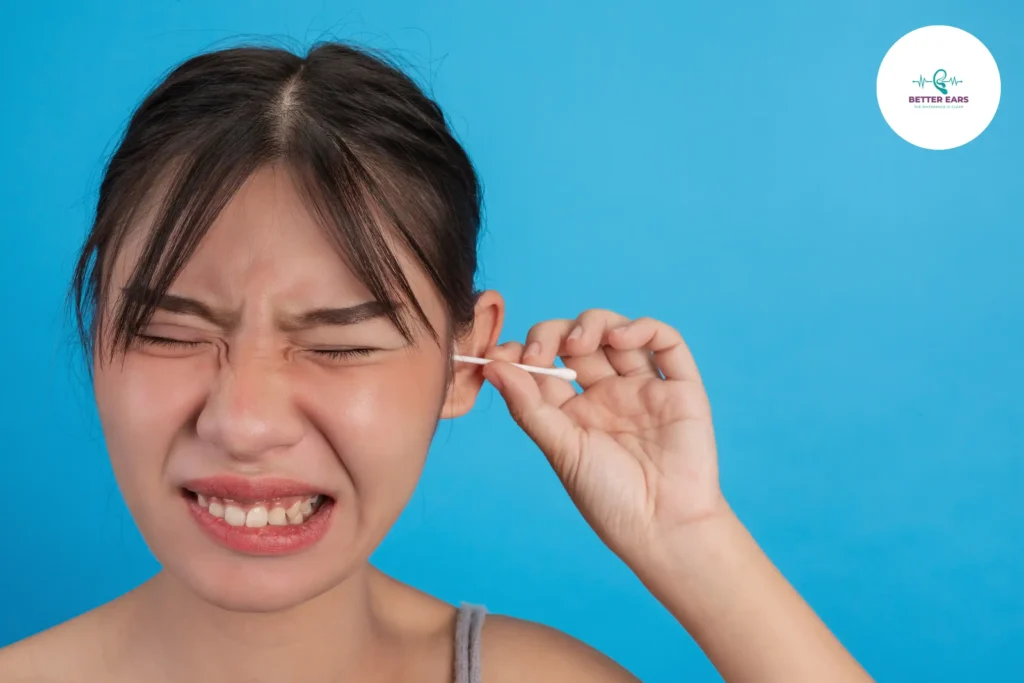
1. No cotton buds
They cause more blockage and irritation.
2. No ear candles
Dangerous and ineffective.
3. No forceful popping attempts
Hard blowing can damage the eardrum.
Professional Care for Persistent Ear Popping
1. Otoscopic examination
We check your ear canal and eardrum for:
- Wax
- Fluid
- Infection
- Pressure issues
2. Microsuction for wax removal
Instant relief if wax is the cause — safe, gentle, no water needed.
3. Treatment for sinus and allergy issues
We help identify issues that contribute to pressure imbalance.
4. ENT referral
If symptoms involve fluid, repeated infections, or suspected Eustachian tube dysfunction.
How Better Ears Can Help
Expert clinicians using modern tools
We diagnose pressure issues, wax buildup, infections, and more.
Locations across Hertfordshire
📍 Radlett – 347 Watling Street
📍 Harpenden – 1 High Street
📍 Hemel Hempstead – 161 London Road
📍 Wheathampstead – 2 High Street
Home visits available.
FAQs
Q1. Why do my ears pop every morning?
Likely due to fluid movement or Eustachian tube adjustment.
Q2. Should popping ever be painful?
No — pain suggests infection or pressure imbalance.
Q3. Can wax cause ear popping?
Yes. Impacted wax changes sound and pressure inside the ear.
Q4. Why do my ears pop when I swallow?
That’s your Eustachian tube opening — usually normal.
Q5. When should I see a specialist?
If popping is persistent, painful, or affects hearing.
Conclusion
Ear popping is often harmless, but when it becomes frequent or uncomfortable, it may signal a deeper issue. Whether it’s wax, sinus problems, or pressure imbalance, the safest solution is a professional assessment.
At Better Ears, we help diagnose the cause and provide effective, gentle treatment so you can feel comfortable again.
Book your ear assessment today and hear clearly with confidence.