Introduction: The Surprising Role of Your Ears in Balance
Most people think of ears as tools for hearing — but they also play a critical role in helping you stay upright, steady, and coordinated. When your ears aren’t functioning properly, even small changes can cause dizziness, vertigo, or a loss of balance.
At Better Ears, we’ve seen how something as simple as earwax buildup or an ear infection can make people feel dizzy or off-balance. Understanding the connection between ear health and balance is key to preventing falls, improving comfort, and maintaining confidence in daily life.
Understanding How Balance Works in the Human Body
The Inner Ear and the Vestibular System
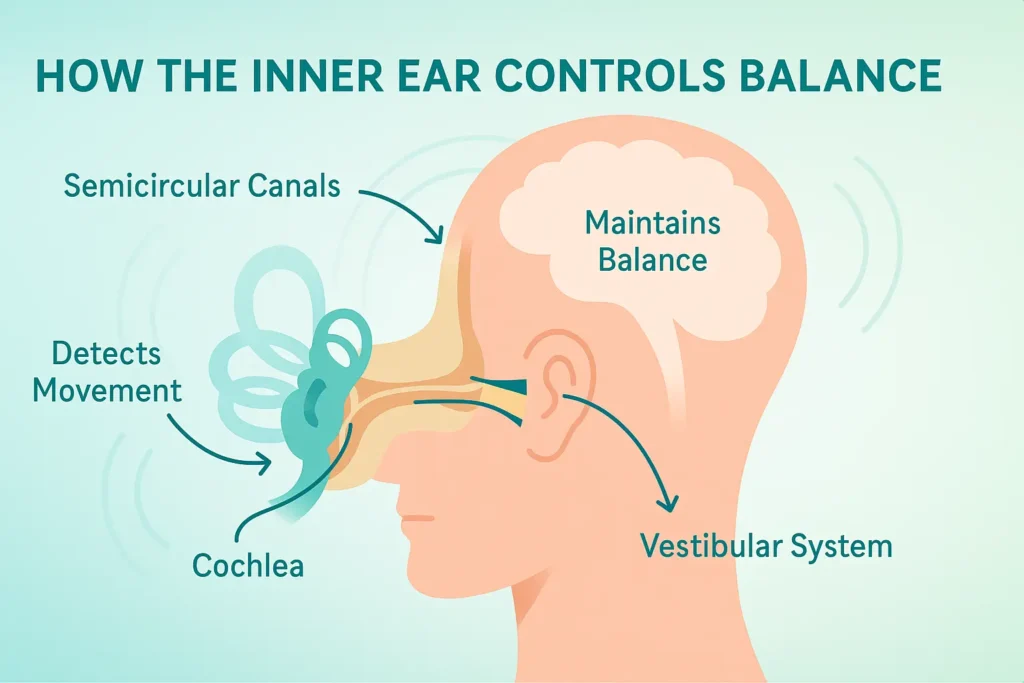
Deep inside your ear is a structure called the vestibular system — a network of fluid-filled canals that detect motion and position. These canals work like motion sensors, sending signals to your brain about how your head moves.
How Your Brain and Eyes Work Together for Stability
Your brain, eyes, and inner ear constantly communicate to keep you balanced. If one part (like your ear) sends the wrong signal, your brain gets confused — and that’s when you feel dizzy or lightheaded.
How Ear Problems Can Affect Your Balance
Blocked Ears and Pressure Imbalance
When earwax or fluid builds up, it can change the pressure inside your ear canal. This pressure imbalance can cause dizziness, ear popping, or even a feeling of spinning.
Inner Ear Infections and Inflammation
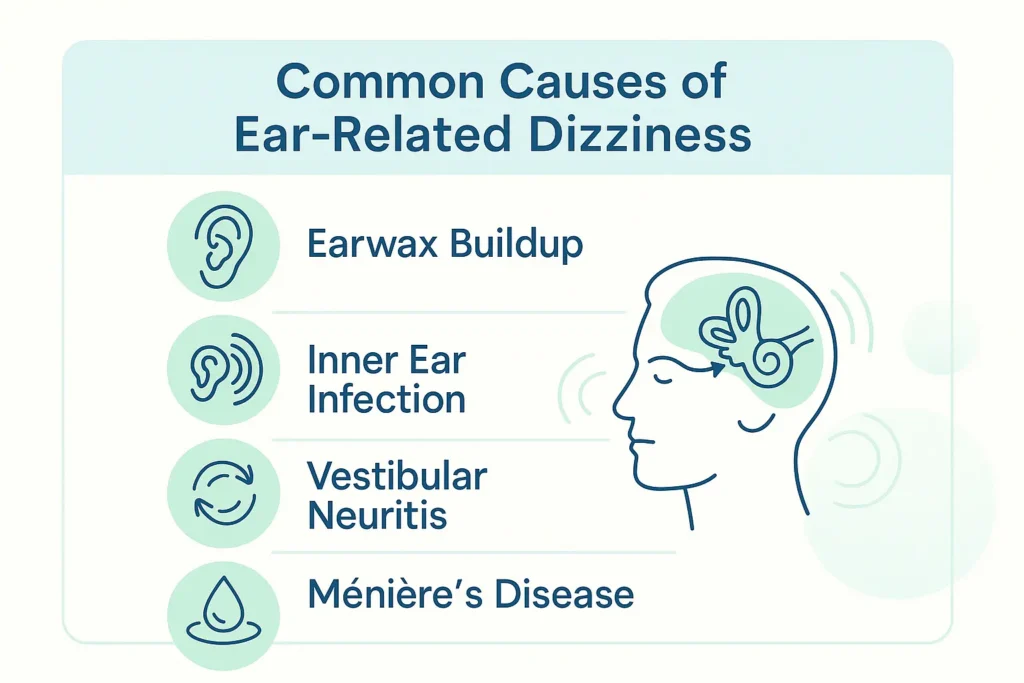
Infections such as labyrinthitis or vestibular neuritis inflame the inner ear, disrupting balance signals to the brain.
Vertigo, Tinnitus, and Dizziness
Conditions like Ménière’s disease or ear pressure buildup can cause vertigo — the sensation that you or your surroundings are spinning.
The Impact of Wax Buildup on Balance
Even earwax impaction can cause mild balance issues by creating uneven pressure between the ears. A quick, safe microsuction treatment often provides immediate relief.
Common Ear Conditions That Cause Dizziness
Vestibular Neuritis and Labyrinthitis
These viral infections inflame the balance nerves or inner ear structures, causing dizziness, nausea, and imbalance.
Ménière’s Disease
This chronic condition involves fluid buildup in the inner ear, leading to hearing loss, tinnitus, and episodes of spinning dizziness.
Benign Paroxysmal Positional Vertigo (BPPV)
BPPV occurs when tiny crystals inside your inner ear move out of place. It can cause sudden spinning sensations when you tilt or turn your head.
Earwax Impaction and Temporary Balance Loss
While usually harmless, compacted wax can lead to temporary imbalance or vertigo-like symptoms. Microsuction quickly restores normal ear function.
Signs Your Dizziness May Be Ear-Related
Feeling of Fullness or Pressure in the Ears
A blocked or heavy sensation in one or both ears often indicates a problem affecting your balance system.
Ringing, Buzzing, or Popping Sounds
Tinnitus or ear popping can accompany ear-related dizziness.
Unsteady Walking or Frequent Falls
If you feel wobbly or need to steady yourself often, your inner ear’s balance sensors may not be functioning properly.
Dizziness Triggered by Movement or Sound
Some people feel dizzy when turning their head, standing up too quickly, or hearing loud noises — all signs of inner ear dysfunction.
How Earwax and Blockages Influence Your Equilibrium
The Connection Between Ear Pressure and Dizziness
Wax or fluid buildup can block sound and distort the pressure balance between your ears. This pressure difference makes your body feel unsteady.
How Microsuction Can Help Restore Balance
At Better Ears, our audiologists perform microsuction, a precise and water-free technique that removes wax safely — often relieving dizziness within minutes.
Safe and Effective Treatments for Ear-Related Dizziness
Professional Earwax Removal (Microsuction & Irrigation)
Microsuction and gentle irrigation are the safest ways to remove earwax and restore balance.
Medical Treatment for Infections and Inner Ear Issues
If your dizziness is caused by infection or inflammation, your GP may prescribe medication to reduce swelling or nausea.
Vestibular Rehabilitation and Exercises
In chronic balance cases, simple head and eye exercises can retrain your brain to interpret balance signals correctly.
When to Seek Professional Help for Dizziness
Persistent Dizziness or Hearing Changes
If your dizziness lasts more than 24 hours or comes with hearing loss, seek medical advice immediately.
Dizziness with Nausea or Tinnitus
When dizziness is accompanied by ringing or nausea, it could point to a vestibular condition or ear infection.
Balance Issues After an Ear Infection or Cold
If symptoms persist after recovery, your inner ear may still be inflamed — professional evaluation is essential.
How Better Ears Can Help Restore Your Balance
Ear Health Checks and Wax Removal
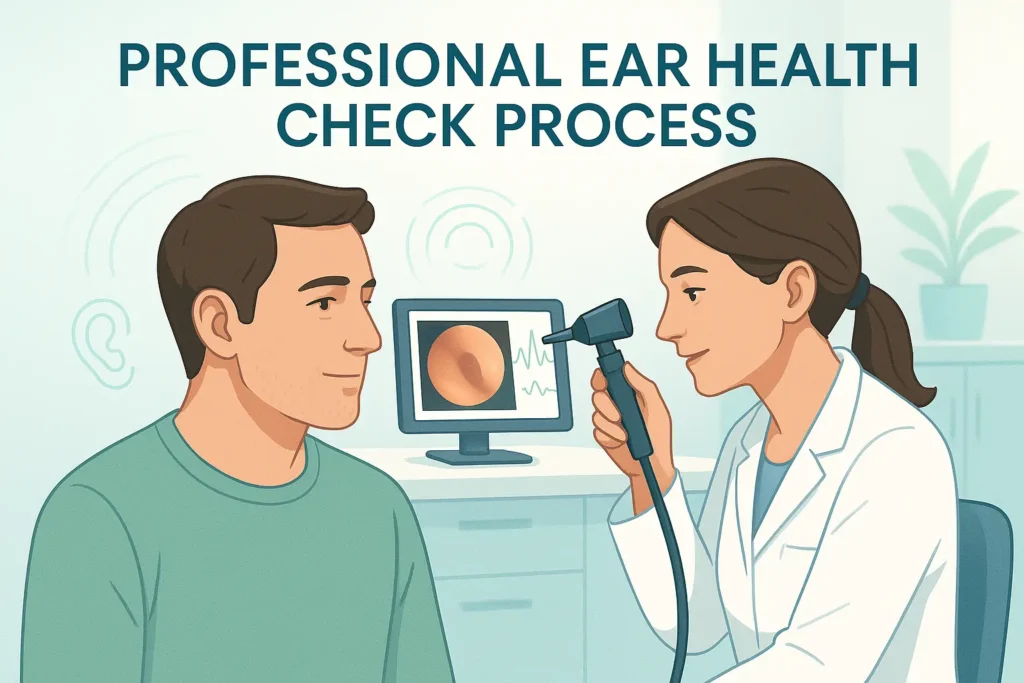
Our free ear health checks and microsuction treatments identify and treat ear-related balance issues safely and effectively.
Expert Diagnosis and Referrals for Complex Balance Issues
If your dizziness is not wax-related, our audiologists can refer you for vestibular assessment or hearing tests.
Four Convenient Clinic Locations and Home Visits
Visit us in:
- Radlett – 347 Watling Street, WD7 7LB
- Harpenden – 1 High Street, AL5 2RS
- Hemel Hempstead – 161 London Road, HP3 9SQ
- Wheathampstead – 2 High Street, AL4 8AA
We also offer home visits for comfort and accessibility.
FAQs About Ear Health and Balance
Q1. Can earwax really cause dizziness?
Yes, impacted wax can alter ear pressure and cause balance issues or lightheadedness.
Q2. How do I know if my dizziness is ear-related?
If it’s accompanied by ear pressure, ringing, or temporary hearing loss, your ears may be the cause.
Q3. How can I prevent ear-related dizziness?
Schedule regular ear checks and avoid inserting anything into your ears.
Q4. Is microsuction safe for balance problems?
Absolutely — it’s the safest, most effective way to restore normal ear pressure and function.
Conclusion: Clear Ears, Clear Balance — Stay Steady with Better Ears
Your ears do more than help you hear — they keep you balanced, steady, and confident. Whether your dizziness stems from wax buildup, infection, or inner ear issues, professional care is the key to recovery.
At Better Ears, our experienced audiologists offer safe earwax removal, comprehensive ear checks, and expert advice to restore your hearing and your balance.
Don’t ignore your symptoms — book your ear health check today and take the first step toward a steadier, healthier you.
Connect Now
Book Your Appointment Now